
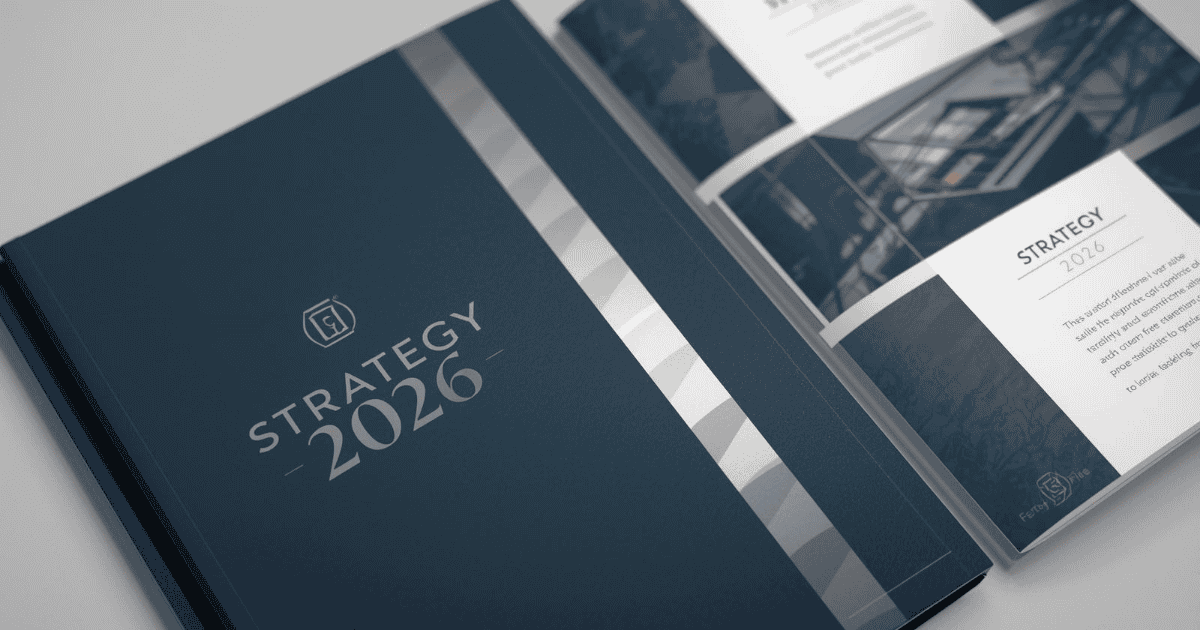
When Zohran Kwame Mamdani walked through New York streets during his campaign trail, something old-school caught the eye of every marketer watching closely: the humble brochure.
In an era dominated by reels, hashtags, and billion-dollar digital ad budgets, Mamdani’s team was handing out printed leaflets—colorful, bold, and personal.
That small detail wasn’t nostalgia. It was a strategy.
And in 2025, as Mamdani wins the New York mayoral election, his use of brochures becomes more than a political moment—it’s a marketing masterclass on how physical media still drives emotional impact in a digital world.
The campaign’s success reminds marketers how vital design and storytelling remain—much like the precision used in brochure printing services in Los Angeles that connect visuals with community trust.
🧩 The Campaign That Proved Print Still Persuades
Most political campaigns today rely on social media reach and data-driven targeting. But Mamdani’s campaign did something unexpected—it returned to human-scale communication.
Every brochure was designed not just to inform but to connect.
The printed layouts balanced sharp messaging, approachable photography, and concise promises—all optimized for a five-second glance.
📍 The takeaway for marketers: attention isn’t dead; it’s just harder to earn.
A tangible handout, when designed right, cuts through the noise more effectively than another screen ad.
This strategy redefined how we see brochure marketing effectiveness—not as outdated, but as underrated.
———————————————————————————-
🏙️ Distribution: The True Science Behind Street-Level Marketing
One of the most overlooked parts of campaign print design is not the print—it’s the distribution strategy.
Mamdani’s volunteers didn’t just toss brochures on sidewalks. They targeted specific blocks, neighborhoods, and transit spots—where conversation, not conversion, was the goal.
For modern marketers, this translates to hyperlocal outreach.
Brochures work best when strategically placed where people linger, not where they scroll.
Modern campaigns rely on clarity, consistency, and visual flow—qualities mastered through custom brochure printing in Los Angeles where structure guides emotion and message recall.
💼 Think like a campaign team:
- Handouts near retail districts and campuses amplify word-of-mouth.
- QR codes on flyers connect offline curiosity to online engagement.
- Timing distribution with events increases retention by context.
The campaign proved that a smart brochure distribution strategy can outperform untargeted digital impressions in both cost and recall.
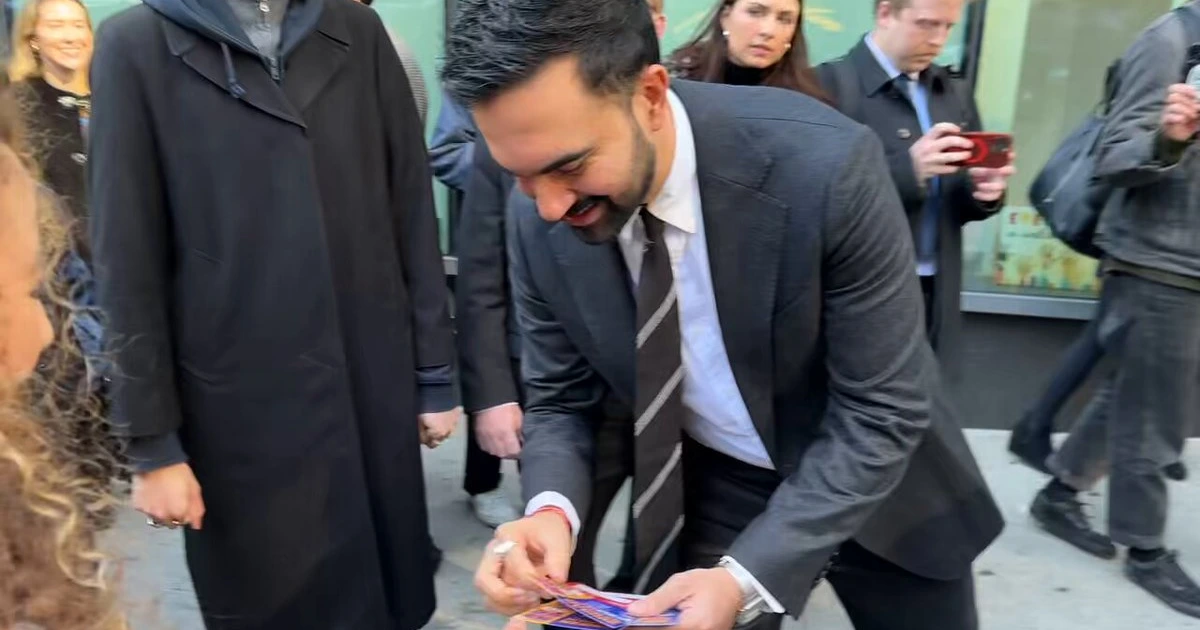
(Zohran Mamdani Distributing Brochures on New York City Streets in 2025)
———————————————————————————-
🎨 Design That Builds Trust — and Votes
In Mamdani’s campaign material, you won’t find gimmicky fonts or aggressive slogans. Instead, the design leaned into authenticity—a clean grid, community images, and bilingual text.
That subtlety mattered.
It positioned the campaign as transparent and approachable—two attributes every brand, political or commercial, desperately needs.
From a marketing lens, this design choice exemplifies the psychology of print trust.
Digital messages are fleeting; printed ones linger—on fridges, bulletin boards, and minds.
Great brochure advertising campaigns don’t just sell; they symbolize belonging.
🧠 Consistency: The Hidden Metric of Credibility
Mamdani’s team didn’t use a hundred designs; they used one design a hundred times.
That consistency created instant recognition—no matter where you saw the material, the message felt familiar.
In marketing terms, this is brand cohesion.
The same visual tone, typography, and headline alignment build subconscious credibility.
Each handout becomes a continuation of the same visual story.
This consistency is what brands today struggle to maintain across their omnichannel systems—and what Mamdani’s grassroots campaign achieved flawlessly with print.
———————————————————————————-
📰 Print vs. Digital: The Hybrid Power Play
This isn’t an argument against digital. It’s about integration.
The smartest campaigns now combine print visibility with digital accessibility.
Many of Mamdani’s brochures reportedly carried QR codes linking to donation pages, event details, or short videos.
That hybrid model is what businesses can learn from most:
📬 Print captures attention.
🌐 Digital deepens engagement.
🧩 Together, they convert awareness into action.
This combination is what modern brands refer to as phygital marketing—a blend of physical and digital that turns curiosity into participation.
Even in a digital-first world, strong design and tangible communication—like brochure marketing —remain the bridge between information and influence.
———————————————————————————-
🪞 What Businesses Can Learn from Mamdani’s Brochure Strategy
For marketers, Mamdani’s campaign isn’t a political story—it’s a blueprint for how to humanize outreach again.
✅ Lesson 1: A brochure is a handshake in print form.
✅ Lesson 2: Design clarity outperforms complexity.
✅ Lesson 3: Target fewer people, but reach them more meaningfully.
✅ Lesson 4: Trust is built through physical presence, not pixels alone.
✅ Lesson 5: Consistent messaging beats aggressive advertising.
Even in a data-driven landscape, tangible material remains the most personal form of marketing.
———————————————————————————-
🌍 The Bigger Message for 2025 Marketers
As we step into an AI-dominated marketing era, physical media like brochures offer what algorithms can’t: authentic presence.
They hold attention because they exist.
For brands in Los Angeles or New York—or anywhere fast-moving—brochures can still serve as the emotional link between a message and a memory.
That’s why, for marketers watching Mamdani’s campaign unfold, this wasn’t nostalgia; it was validation.
Print is not dead—it’s redefined.
———————————————————————————-
📣 CTA – Reimagine Brochure Marketing for Your Next Campaign
The success of Mamdani’s outreach reminds us that print design still drives connection.
Whether for local events, business launches, or political outreach, a brochure remains a timeless storyteller.
👉 Start building your next brochure advertising campaign with structure, emotion, and strategy — and see how tangible media still wins in 2026.
———————————————————————————-
⚖️ Disclaimer
PrintLocker does not represent or endorse any political party or candidate. This article is intended for educational and informational purposes only, highlighting the continued importance of brochure marketing and print communication in modern campaigns.
———————————————————————————-
❓ FAQs
Q1: Why do brochures still work in political and brand campaigns?
Because they combine visual appeal with human connection—making the message memorable and personal.
Q2: How does distribution impact brochure success?
Targeted, location-based handouts build real engagement instead of random visibility.
Q3: Can digital tools enhance traditional brochure marketing?
Absolutely. QR codes, AR triggers, and trackable links make brochures part of a measurable campaign ecosystem.
Q4: What should businesses learn from Mamdani’s approach?
Consistency, clear messaging, and authentic design build more trust than ad spend ever could.
Q5: How do I start an effective brochure marketing strategy?
Focus on purpose before design: who you want to reach, what emotion you want to spark, and where your message belongs physically.


